The Wang Lab
Investigating Computational Biology, AI, Single-cell Genomics, System Immunology, Gene Regulation
Research
My research interests lie in developing computational methods and mathematical models to quantitatively model cellular phenotypes and uncover links between cellular phenotypes and individual phenotypes such as disease. The general directions are as follows:
I. Intelligent Algorithms for Enhancing, Generating, and Functionally Analyzing Single-Cell Spatial Multi-Omics
Single-cell and spatial multi-omic technologies have revolutionized our understanding of cellular heterogeneity in complex biological systems. However, corresponding analyses currently face various challenges, including inadequate resolution, coverage, and difficulty integrating and generating heterogeneous multi-modal data. To address these issues, we have developed a series of intelligent algorithms. STRIDE (Nucleic Acids Res. 2022) and Cellist (Nat Genet. 2026) enhance low-resolution and high-resolution spatial transcriptomics data signals, respectively, elevating them to the single-cell level. SCRIP (Nucleic Acids Res. 2022) and SCRIPro (Bioinform. 2024) construct gene regulatory networks using single-cell and spatial multi-omics data. EvaCCI assesses intercellular interactions (Genome Biol. 2022), while SCREE analyzes multimodal single-cell CRISPR screen data (Brief. Bioinformatics 2023). These algorithms enhance the usability of single-cell spatial omics data and lay the foundation for the integrative analysis of spatiotemporal multimodal data, as well as computational modeling of cellular phenotypes in physiological and pathological conditions.
II. Virtual Cell and Tissue Modeling Using Generative AI and Large-Scale Spatiotemporal Multimodal Data
Cell phenotypes in multicellular systems are regulated by intrinsic factors (such as gene expression regulation) and extrinsic factors (such as intercellular interactions). We have demonstrated the tight connection between intrinsic epigenetic regulations and cell fate determination in mouse IVF and SCNT embryo development (Nature 2016, Nat. Cell Biol. 2018, Cell Stem Cell 2018, 2022, Cell Res. 2022). Currently, we are developing generative virtual cell and tissue models pretrained on large-scale single-cell spatial multimodal datasets. These models aim to uncover the collaborative effects of gene regulation, cellular crosstalk, and other environmental factors, such as metabolites and mechanical influences, on predicting cell and tissue phenotypes. We have developed SELINA (Cell Rep. Methods. 2023), which utilizes a multi-adversarial domain adaptation network to automatically annotate cell types using a large-scale pretrained human scRNA-seq reference. Our goal is to leverage generative AI models to gain deeper insights into the molecular mechanisms driving cell and tissue phenotypes, further guiding and reshaping this transformation process.
III. Connection of Cell Phenotypes to Individual Phenotypes in Complex Disease Microenvironments
Cancer and aging-associated diseases result from an imbalance in cell and tissue phenotypes, shifting away from healthy states. Our team combines AI-driven virtual cell and tissue models with experimental validations to identify the drivers of disease-related cell and tissue phenotypes in tumors and aging-related diseases. We have established a comprehensive single-cell RNA sequencing data resource, TISCH (Nucleic Acids Res. 2021, 2023), for analyzing gene expression and cellular composition in the tumor microenvironment. We have also constructed a cell phenotype atlas for all cancer types, TabulaTIME (Nat. Cancer 2025), and discovered a widely prevalent profibrotic ecotype that regulates tumor immunity. Our team is currently collaborating closely with oncologists and immunologists to investigate the mechanisms of tumor microenvironment evolution and immune therapy resistance in different cancer types (Cell 2024; Nat. Genet. 2025; Cancer Immunol. Res. 2023; Genome Med. 2023; EMBO J. 2023).
Our Team

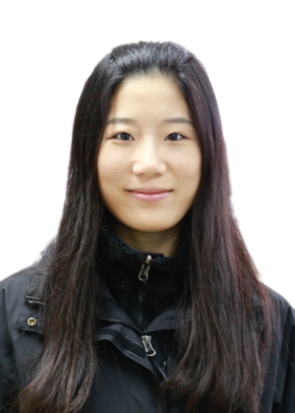
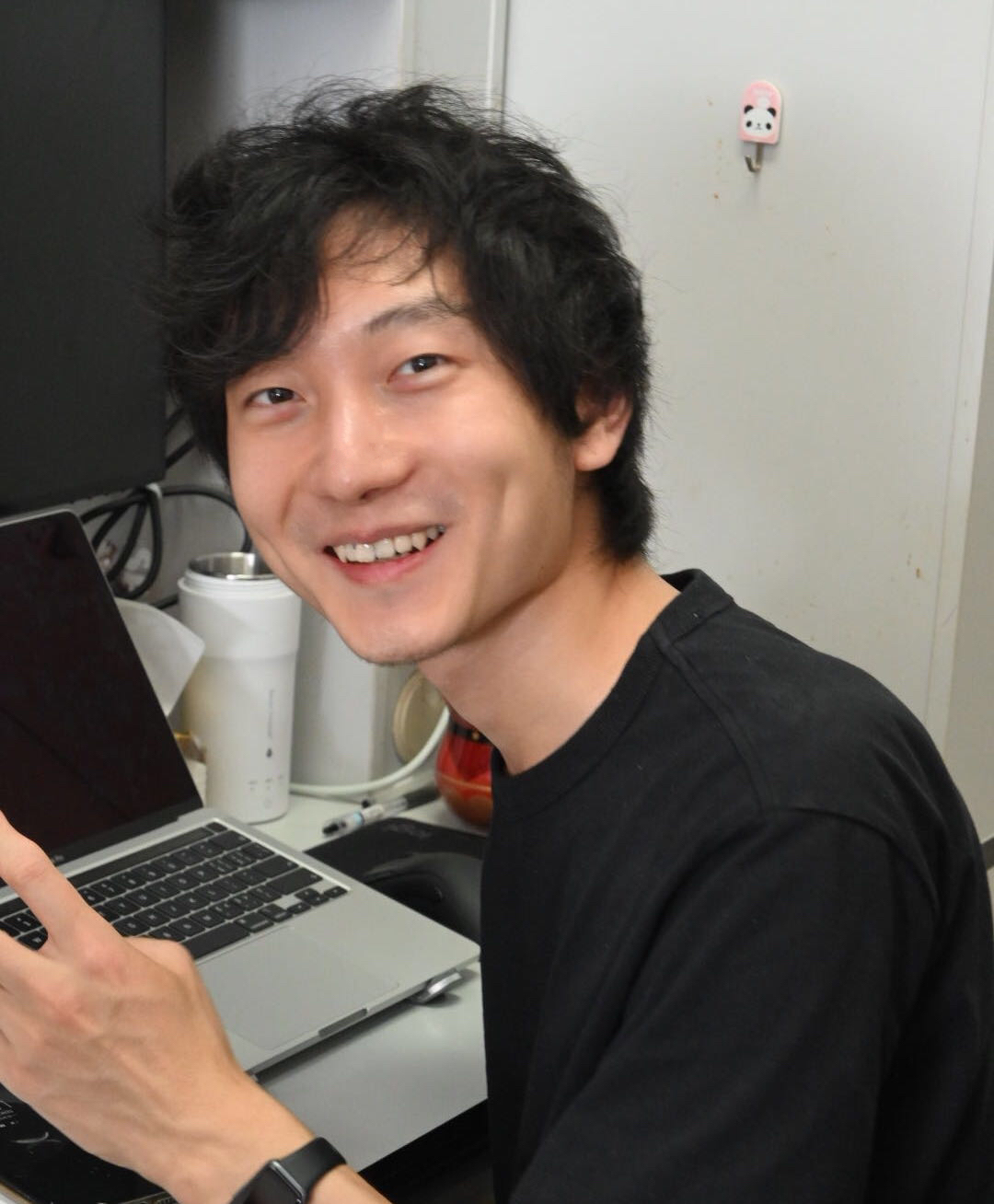
Chenfei Wang
















Publications
Reference-guided computational framework identifies microenvironment metabolic subtypes and targets using pan-cancer single-cell datasets
Oligoclonal tumor-specific CD8 T-cell revival and IRE1α/XBP1-GDF15-mediated immunosuppressive niches determine neoadjuvant chemoimmunotherapy efficacy in cervical cancer
Cisformer: a scalable cross-modality generation framework for decoding transcriptional regulation at single-cell resolution
Spatiotemporal analyses of the pan-cancer single-cell landscape reveal widespread profibrotic ecotypes associated with tumor immunity
Multi-omic profiling highlights factors associated with resistance to immuno-chemotherapy in non-small-cell lung cancer
Single-cell omics: experimental workflow, data analyses and applications
Single-cell dissection of multifocal bladder cancer reveals malignant and immune cells variation between primary and recurrent tumor lesions
Single-cell and spatial multiomic inference of gene regulatory networks using SCRIPro
Proteogenomic characterization of small cell lung cancer identifies biological insights and subtype-specific therapeutic strategies
Single-cell assignment using multiple-adversarial domain adaptation network with large-scale references
Single‐cell dissection of cervical cancer reveals key subsets of the tumor immune microenvironment
SCREE: a comprehensive pipeline for single-cell multi-modal CRISPR screen data processing and analysis
Tumor microenvironment remodeling after neoadjuvant immunotherapy in non-small cell lung cancer revealed by single-cell RNA sequencing
Cancer Cell Resistance to IFNγ Can Occur via Enhanced Double-Strand Break Repair Pathway Activity
TISCH2: expanded datasets and new tools for single-cell transcriptome analyses of the tumor microenvironment
HUSCH: an integrated single-cell transcriptome atlas for human tissue gene expression visualization and analyses
Single-cell gene regulation network inference by large-scale data integration
Evaluation of cell-cell interaction methods by integrating single-cell RNA sequencing data with spatial information
Stage-specific H3K9me3 occupancy ensures retrotransposon silencing in human pre-implantation embryos
STRIDE: accurately decomposing and integrating spatial transcriptomics using single-cell RNA sequencing
Dynamic nucleosome organization after fertilization reveals regulatory factors for mouse zygotic genome activation
TISCH: a comprehensive web resource enabling interactive single-cell transcriptome visualization of tumor microenvironment
Integrative analyses of single-cell transcriptome and regulome using MAESTRO
Inhibition of Aberrant DNA Re-methylation Improves Post-implantation Development of Somatic Cell Nuclear Transfer Embryos
Reprogramming of H3K9me3-dependent heterochromatin during mammalian embryo development
Distinct features of H3K4me3 and H3K27me3 chromatin domains in pre-implantation embryos
Identification of key factors conquering developmental arrest of somatic cell cloned embryos by combining embryo biopsy and single-cell sequencing
News
Contact
No. 88 Zhangjiang Road, Pudong New Area
Shanghai, China