研究介绍
一、单细胞空间多组学增强、生成和网络解析智能算法
单细胞和空间多组学技术已经彻底改变了我们对复杂生物系统中细胞异质性的认识。然而,相应的分析目前面临着各种挑战,包括分辨率不足、基因覆盖范围有限,以及难以整合和生成异质性的多模态数据。为了解决这些问题,课题组开发了一系列智能算法。STRIDE(Nucleic Acids Res. 2022)和Cellist(Nat. Genet. 2025)能够分别增强低分辨率和高分辨率的空间转录组数据信号,将其提升至单细胞精度。SCRIP(Nucleic Acids Res. 2022)和SCRIPro(Bioinform. 2024)利用单细胞和空间多组学数据构建基因调控网络。EvaCCI用于评估细胞间相互作用(Genome Biol. 2022),SCREE可分析多模态单细胞CRISPR筛选数据(Brief. Bioinformatics 2023)。这些算法提高了单细胞空间组学数据的可用性,并为单细胞时空多模态数据整合分析以及生理、病理状态的细胞计算拟合奠定了基础。
二、基于人工智能和大规模时空组学数据的虚拟细胞、器官及个体构建
多细胞系统中的细胞表型受到内在因素(如基因表达调控)和外在因素(如细胞间相互作用)的调控。课题组前期在小鼠及人类胚胎发育中的工作已经证明了内在表观遗传调控可以用来准确的预测细胞命运(Nature 2016; Nat. Cell Biol. 2018; Cell Stem Cell 2018, 2022; Cell Res. 2022)。目前,课题组正在开发基于大规模单细胞多模态数据预训练的生成式虚拟细胞及组织模型。这些模型旨在揭示基因调控、细胞间相互作用以及代谢物和机械影响等环境因素的协同效应,以预测细胞和组织表型。课题组开发了基于多对抗领域自适应网络的SELINA算法(Cell Rep. Methods., 2023),使用大规模预训练的人类单细胞RNA测序参考数据集自动注释细胞类型。我们希望利用生成式人工智能模型,深入了解驱动细胞表型的分子机制,并进一步指导和重塑这一转变过程。
三、疾病及衰老微环境中细胞生态位多样性、可塑性及表型关联
癌症和与衰老相关的疾病源于细胞和组织生态的失衡,偏离了健康状态。课题组目前正结合人工智能驱动的虚拟细胞、器官及个体模型与实验验证,以识别肿瘤和衰老相关疾病中与疾病相关的细胞类型、组织生态位与多器官协作。课题组已经开发了一个全面的单细胞RNA测序数据资源TISCH (Nucleic Acids Res. 2021, 2023),用于分析肿瘤微环境中的基因表达和细胞类型组成。课题组也构建了全癌种的细胞表型图谱TabulaTIME(Nat. Cancer 2025),并发现广泛存在的调节肿瘤免疫的纤维化生态型。目前,课题组正在与肿瘤学家和免疫学家紧密合作,研究不同类型癌症中肿瘤微环境演变和免疫治疗耐药性的机制(Cell 2024; Nat. Genet. 2024; Cancer Immunol. Res. 2023; Genome Med. 2023; EMBO J. 2023)。
团队成员

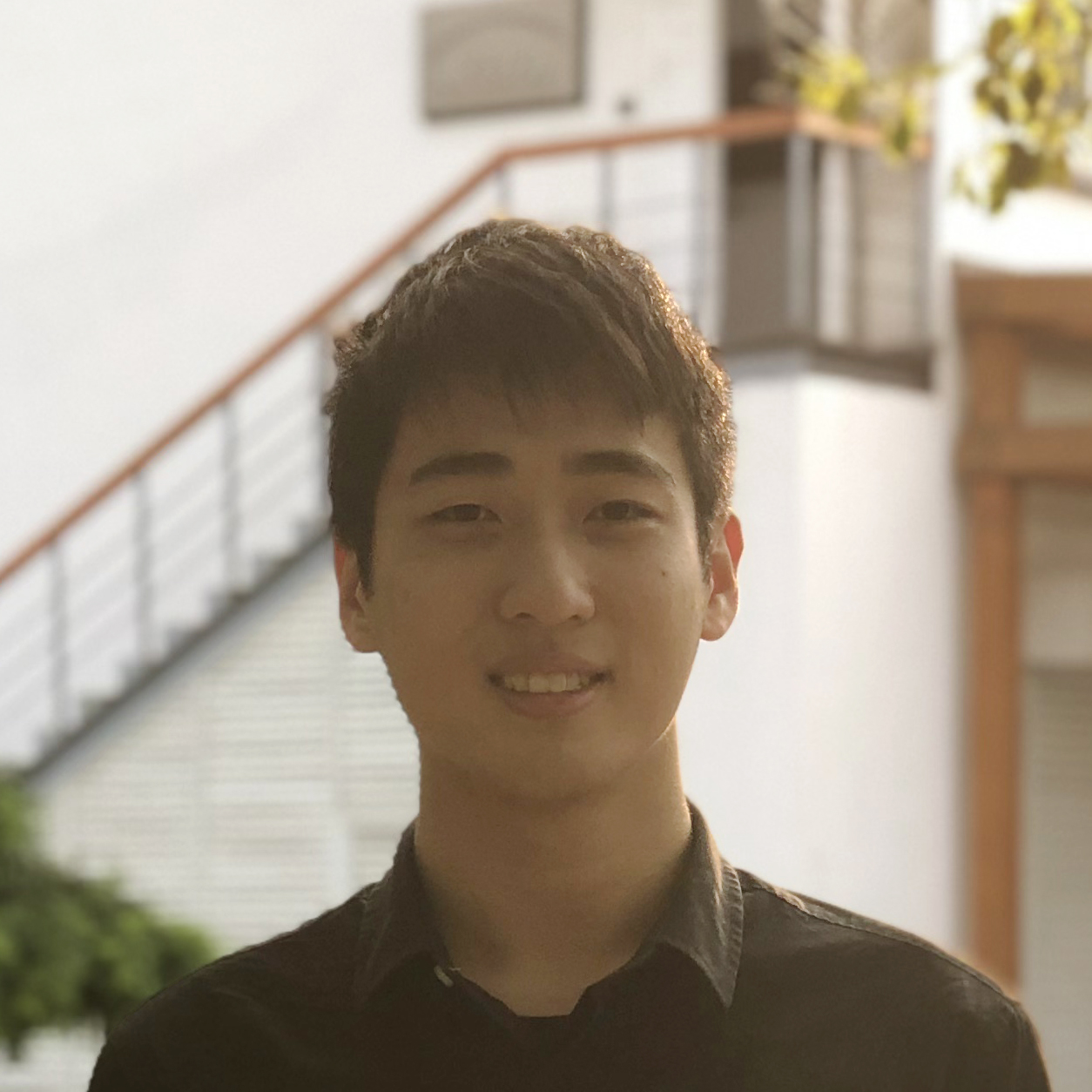
王晨飞



















发表论文
Reference-guided computational framework identifies microenvironment metabolic subtypes and targets using pan-cancer single-cell datasets
Oligoclonal tumor-specific CD8 T-cell revival and IRE1α/XBP1-GDF15-mediated immunosuppressive niches determine neoadjuvant chemoimmunotherapy efficacy in cervical cancer
Cisformer: a scalable cross-modality generation framework for decoding transcriptional regulation at single-cell resolution
Spatiotemporal analyses of the pan-cancer single-cell landscape reveal widespread profibrotic ecotypes associated with tumor immunity
Multi-omic profiling highlights factors associated with resistance to immuno-chemotherapy in non-small-cell lung cancer
Single-cell omics: experimental workflow, data analyses and applications
Single-cell dissection of multifocal bladder cancer reveals malignant and immune cells variation between primary and recurrent tumor lesions
Single-cell and spatial multiomic inference of gene regulatory networks using SCRIPro
Proteogenomic characterization of small cell lung cancer identifies biological insights and subtype-specific therapeutic strategies
Single-cell assignment using multiple-adversarial domain adaptation network with large-scale references
Single‐cell dissection of cervical cancer reveals key subsets of the tumor immune microenvironment
SCREE: a comprehensive pipeline for single-cell multi-modal CRISPR screen data processing and analysis
Tumor microenvironment remodeling after neoadjuvant immunotherapy in non-small cell lung cancer revealed by single-cell RNA sequencing
Cancer Cell Resistance to IFNγ Can Occur via Enhanced Double-Strand Break Repair Pathway Activity
TISCH2: expanded datasets and new tools for single-cell transcriptome analyses of the tumor microenvironment
HUSCH: an integrated single-cell transcriptome atlas for human tissue gene expression visualization and analyses
Single-cell gene regulation network inference by large-scale data integration
Evaluation of cell-cell interaction methods by integrating single-cell RNA sequencing data with spatial information
Stage-specific H3K9me3 occupancy ensures retrotransposon silencing in human pre-implantation embryos
STRIDE: accurately decomposing and integrating spatial transcriptomics using single-cell RNA sequencing
Dynamic nucleosome organization after fertilization reveals regulatory factors for mouse zygotic genome activation
TISCH: a comprehensive web resource enabling interactive single-cell transcriptome visualization of tumor microenvironment
Integrative analyses of single-cell transcriptome and regulome using MAESTRO
Inhibition of Aberrant DNA Re-methylation Improves Post-implantation Development of Somatic Cell Nuclear Transfer Embryos
Reprogramming of H3K9me3-dependent heterochromatin during mammalian embryo development
Distinct features of H3K4me3 and H3K27me3 chromatin domains in pre-implantation embryos
Identification of key factors conquering developmental arrest of somatic cell cloned embryos by combining embryo biopsy and single-cell sequencing
研究动态
联系方式
上海市浦东新区张江路88号
上海梧桐岛生命科学研究院